Signs That Call for the Utility
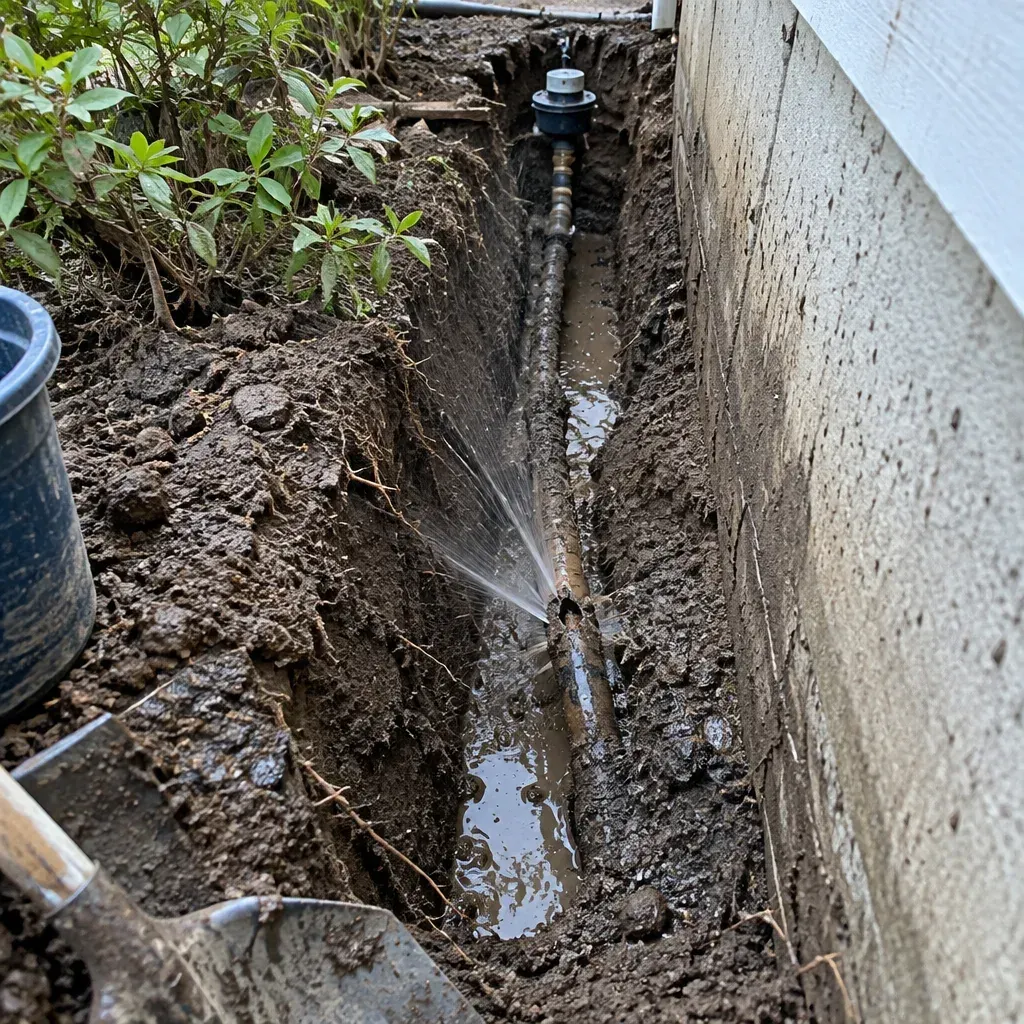
Start outside and note where water appears. In Elgin, a wet patch near the street, steady flow from the ground, or water around utility equipment can justify calling the water utility. These signs do not confirm which line has failed. They show the provider where to begin checking. If water is spreading toward a home, keep people clear and limit flow only when a shutoff is safe to reach. Then report what you can see and ask who should handle the next step.
Use a short sequence while you assess the leak: look from dry ground, note whether water keeps moving, and check for changes inside. A leak near Route 31 may be easier to describe by the nearest cross street or landmark. Do not approach damaged equipment or stand in water near electrical devices. If the flow is entering the home, contact the utility promptly when its equipment may be involved. Ask whether it will inspect the report and what action you should take meanwhile.
Checking the Meter Area Safely
Look toward the meter area without touching covers or valves. Water collecting there, a damaged cover, or a sudden wet area nearby gives the utility a specific reason to assess its equipment. In Elgin, describe whether the water is beside the meter, moving toward the house, or appearing farther out. A ranch or split-level layout may help explain where moisture first showed indoors, but avoid opening walls or floors to trace it. Share only what you can observe safely.
Before calling, write down what changed and when you first noticed it. Take photos from a dry, safe spot if they show the water or visible damage. Near Gail Borden Library, a nearby landmark can help identify the property location, but give the street address first. Ask the provider whether it needs access and what it wants left undisturbed. Record its instructions and the name or department you reached, so you can pass the same details to the pros we connect you with if needed.
Whole-Home Changes in Water Service
Check whether the water change affects one tap or the whole property. Several weak or dry fixtures at once can point to a service issue worth reporting, especially if water is appearing outdoors. In Elgin, note whether neighbors seem affected only if you can learn that without leaving a safe area. A hidden leak can leave damp patches or a musty smell before water becomes visible. Tell the utility what you observe, then ask whether it knows of an interruption or needs to inspect your report.
A provider notice or brief interruption may explain a change in flow, but it does not settle what is happening at your home. Ask whether the service issue is known and whether the water pattern you described fits it. If water continues to escape or damage is visible, say so clearly. The Fox River is a useful local reference only when it helps describe your location; it does not establish a pipe problem. Follow the provider’s directions and keep watching from a safe place.
Record the Leak and Arrange Follow-Up
Make the report in a simple order: give your Elgin address, say where water first appeared, and describe whether it is spreading or still flowing. Mention meter-area concerns, changes at several taps, and any photos you took. A nearby place such as Walton Island Park can help orient the location when relevant. Keep your notes together, including when you called and what the provider advised. Clear details help the utility decide what to check without guessing at the cause.
Before ending the call, ask who will take the next step and how you will learn whether the utility check is complete. If the provider says a plumbing repair should be arranged, contact the pros we connect you with and share your notes. Ask the utility whether anything should happen before repair begins. Keep checking for new water from a dry location. If the flow continues after an assessment, report that change and ask whether another inspection is needed.
Dealing with a burst pipe in your home?
Note where water appears, whether it keeps flowing, and which rooms you can reach safely. Check whether nearby walls, floors, or ceilings also show damp spots. Note whether the water is limited to one surface or visible across several. Ask whether they cover your address, what openings they have, how soon they might come, and whether a visit charge applies. Confirm those details with the pros before arranging service.