Why Pipe Condition Changes Repair Options
Elgin has varied housing, including documented older homes, but that does not establish the pipe material in any one house. Cold winters also make freezing a relevant concern for exposed or poorly heated plumbing. The split itself still needs inspection to identify its cause and repair scope.
Elgin extends across Cook and Kane counties and sits along the Fox River. Homes near Route 31 and elsewhere in the city vary in age and layout, so galvanized pipe and access conditions differ by property. A local landmark or street cannot establish what runs behind a particular wall.
Calls reach the pros we connect you with from residential properties throughout Elgin and Kane. City and postal labels can cover broad areas; share the location and the work needed so they can check whether service reaches your property.
What Happens During Pipe Repair
- LOCATION
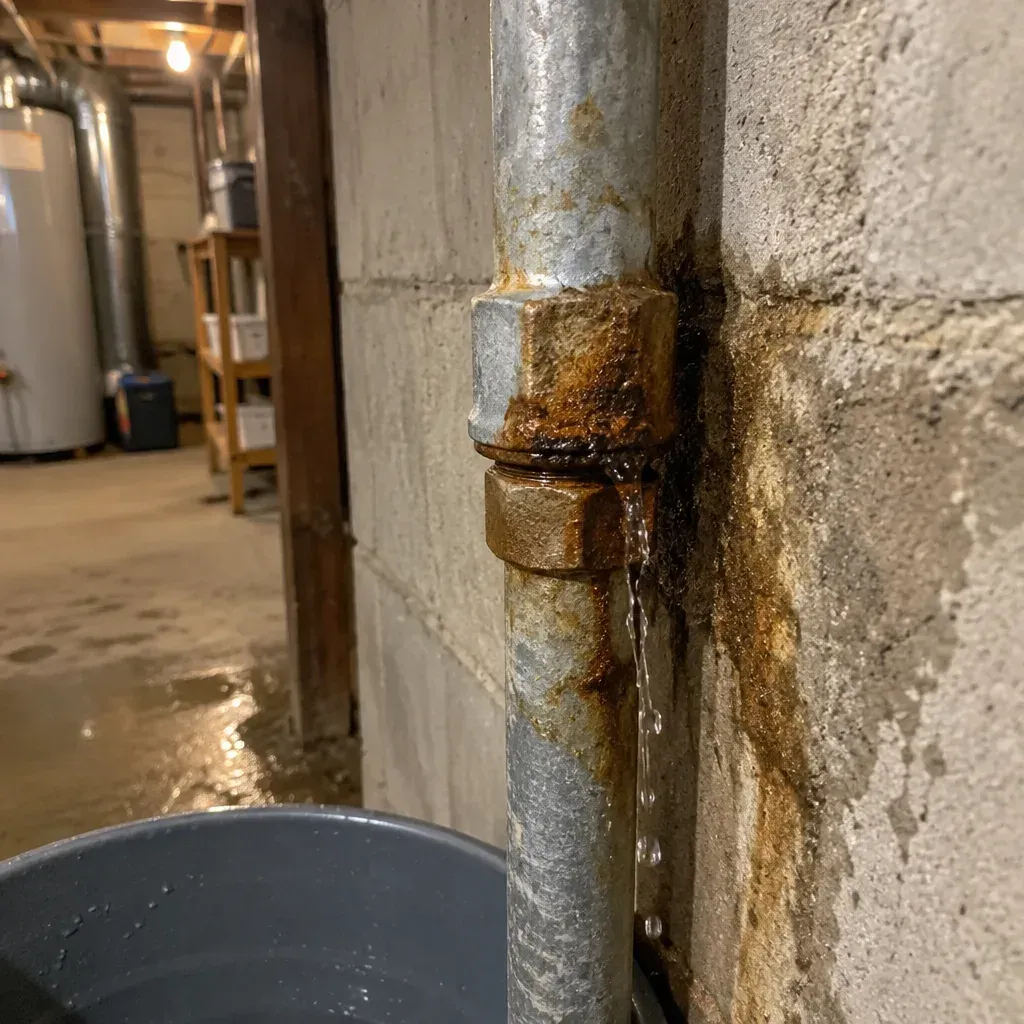
- Rust, scale, pitting, and thread wear near a split help show whether a galvanized pipe can hold a localized repair.
- CONDITION
- A short replacement needs sound connection points on the existing line; weakened metal can require removal back to firmer pipe.
- SCOPE
- A wet ceiling or wall can require access work before the plumber reaches a concealed burst galvanized water line.
- ACCESS
- Pipe size and connection style guide fitting choice; the plumber checks the completed joint under pressure for seepage.
- VERIFY
- Damage in the metal section can disrupt water flow through the line, so repairing it helps restore normal use.
- WARNING SIGNS
- Elgin’s cold winter conditions can put exposed or poorly heated plumbing at risk of freezing. A frozen section may block water flow before thawing reveals a split. The plumber assesses the break and surrounding metal to determine the repair scope.
- ESTIMATE
- an estimated $275–$1,100
Choosing Parts That Fit the Existing Line
Internal scale can narrow the passage and reduce flow before a leak begins. A burst is a break that lets pressurized water escape; corrosion can weaken the pipe before that opening appears. A galvanized supply pipe is rigid metal, often recognizable by its dull gray surface on an exposed run. Check a visible section or the plumber’s written description for the material name. Do not rely on a brief glimpse alone; concealed lines need inspection to confirm what is installed.
Planning Access to the Damaged Pipe
The plumber traces the water, locates the split, and confirms the line is galvanized. They inspect accessible pipe around it for pitting, scale, flaking metal, and thread wear. The pipe’s size and connection style help determine suitable parts. Restricted access may affect how the damaged section can be reached.
The licensed pros we connect you with confirm the isolated section has drained before cutting. They install a replacement piece with fittings suited to the pipe and its size. If corrosion reaches the planned joints, more of the run may need to come out. The plumber pressurizes the line and checks the repair for leaks before closing access.
Before closing the job, confirm the repaired line stays dry and water flows as expected. A stable result with no other damage points to a finished repair. If the check finds another leak or unresolved concern, agree on the next step and its timing.
CHOOSING BETWEEN FIXING A CURRENT FAILURE AND REGULAR OVERSIGHT
| Pressure Check |
Repair Method |
|---|
| One active leak, noticed near beginning | Separate drying service |
| Moisture returns near a fixed line | Safe water shutoff |
| Distinct rupture sites along a supply route | Fresh section installed; flow observed |
LEAK CHECKIllinois Plumbing License Law sets requirements for plumbing practice and plumbing contractors. Ask for an invoice that identifies the work area, parts used, and repair check. Confirm any permit or inspection question with the relevant local authority; the supplied facts do not establish one rule for every repair in Elgin.
Where Burst Water Can Spread
A split in a pressurized galvanized line can send water into insulation, framing, floors, or stored belongings. Continued leakage can spread beyond the first stain and soften building finishes. Water trapped inside a wall can remain hidden after the surface begins to dry.
Expect Access Work for Hidden Lines
Do not try to seal the split with tape while water is under pressure. Keep people away from wet floors near outlets or appliances. If a shutoff is in a safe, dry location, you may turn it off; do not cross standing water to reach it. Leave pipe cutting and pressurized repairs to a qualified plumbing professional.
Tracing Damage Behind Finished Rooms
Water escaping from a pressurized pipe can make floors slippery and soak nearby materials. If water reaches an outlet, appliance, or wiring, stay clear of that area; wet electrical equipment can be dangerous to touch. A continuing leak can spread damage beyond the visible spot. Pressure can make even a small opening release water forcefully.
When Can Water Damage Widen the Bill?
Tell the pros we connect you with whether water is still flowing, then ask how safely stopping the supply could affect the repair estimate.Stopping the water flow can be a separate step from identifying which part of the pipe needs repair. Hard-to-reach lines or findings during inspection can change the repair scope. Cleanup and rebuilding are separate services. Confirm any visit charge and the specific work included directly with the pros we connect you with.Review pricing guide for possible charges and the details that can shift an estimate.