Organize Photos and Event Notes
Start with one folder for the Elgin property, then keep records ordered by when they were created. Note when the water was first noticed and where it appeared. Save original image files and make a backup copy. Include the property address and claim reference in your index. That context separates this incident from routine household records. The sections below cover visual evidence, plumbing documents, insurer exchanges, and losses or mitigation. Ask your insurer which items it needs.
Keep a brief, dated account beside the images. Record when you first became aware of the problem and what you reported then. Separate what you personally noticed from details supplied later by the plumber or another provider. When sorting regional files, a landmark label such as Arcada Theatre, Dunham Castle, or Hotel Baker cannot replace the Elgin property address. Preserve original image timestamps when possible. Keep the note with its matching images, not in an unsorted draft. A clear sequence helps readers follow the file without turning memory into certainty.
Keep Plumbing Work Documents
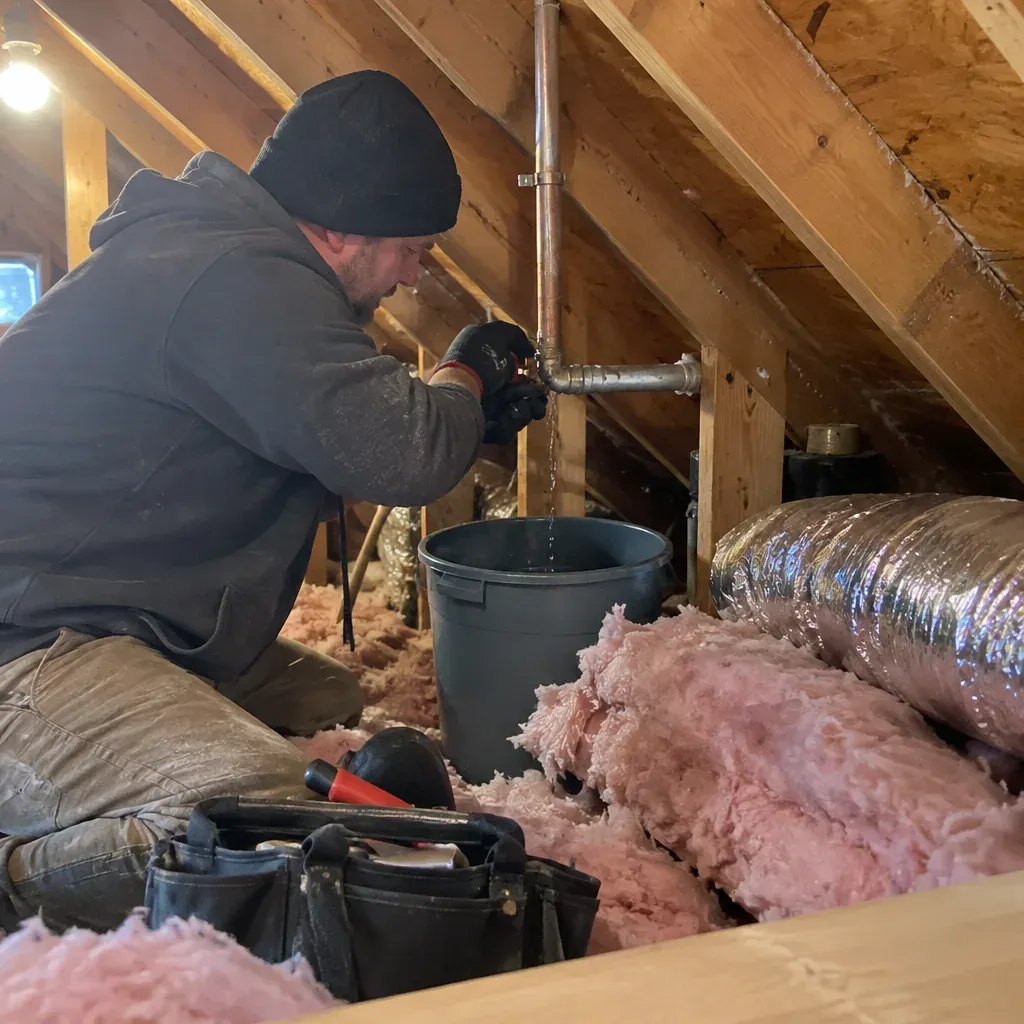
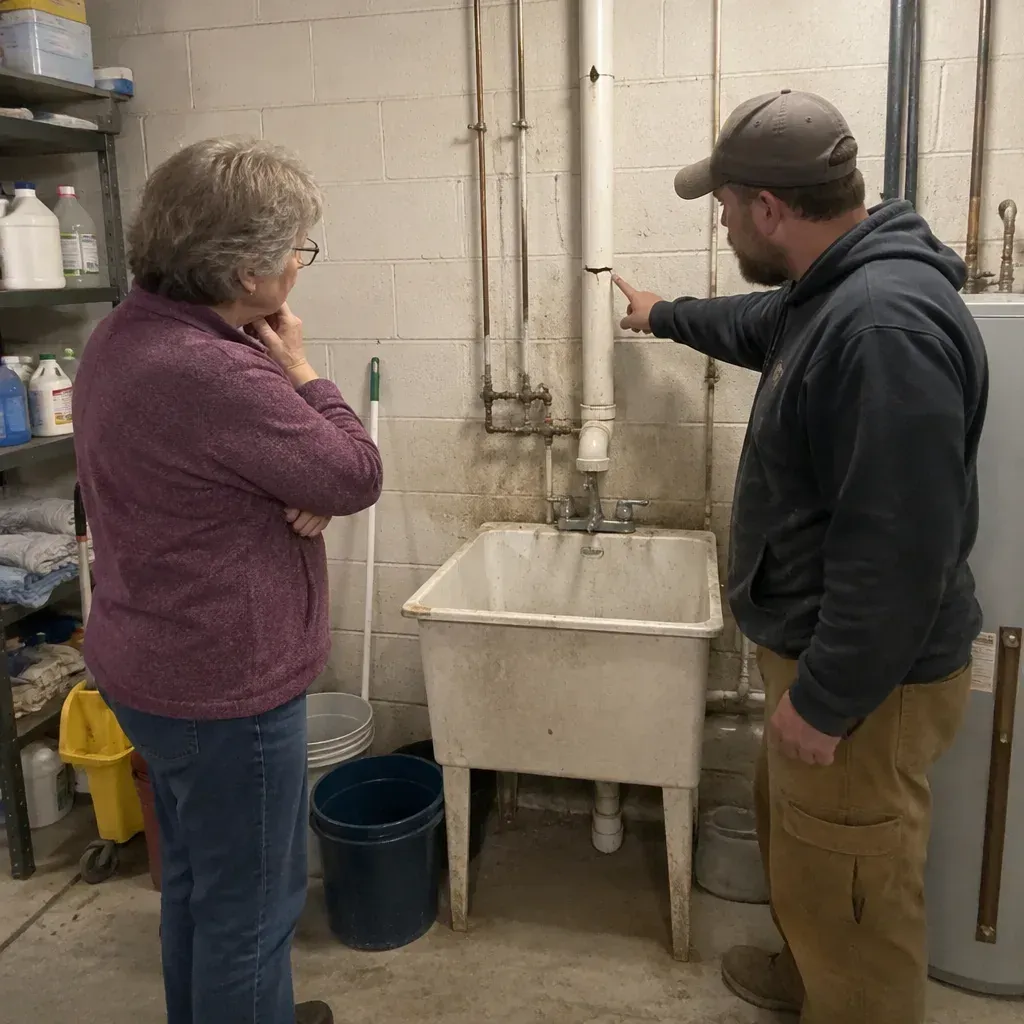
Photographs can show visible effects before drying or repairs change them. For an Elgin claim file, useful details may include the visit date, the pipe section or fitting addressed, and work performed. Ask the pros we connect you with for a copy if you do not have one. Save related receipts and service records together, with each document tied to the same property and claim reference. The invoice and description help identify the plumbing work involved; they do not document damage to walls, floors, or belongings.
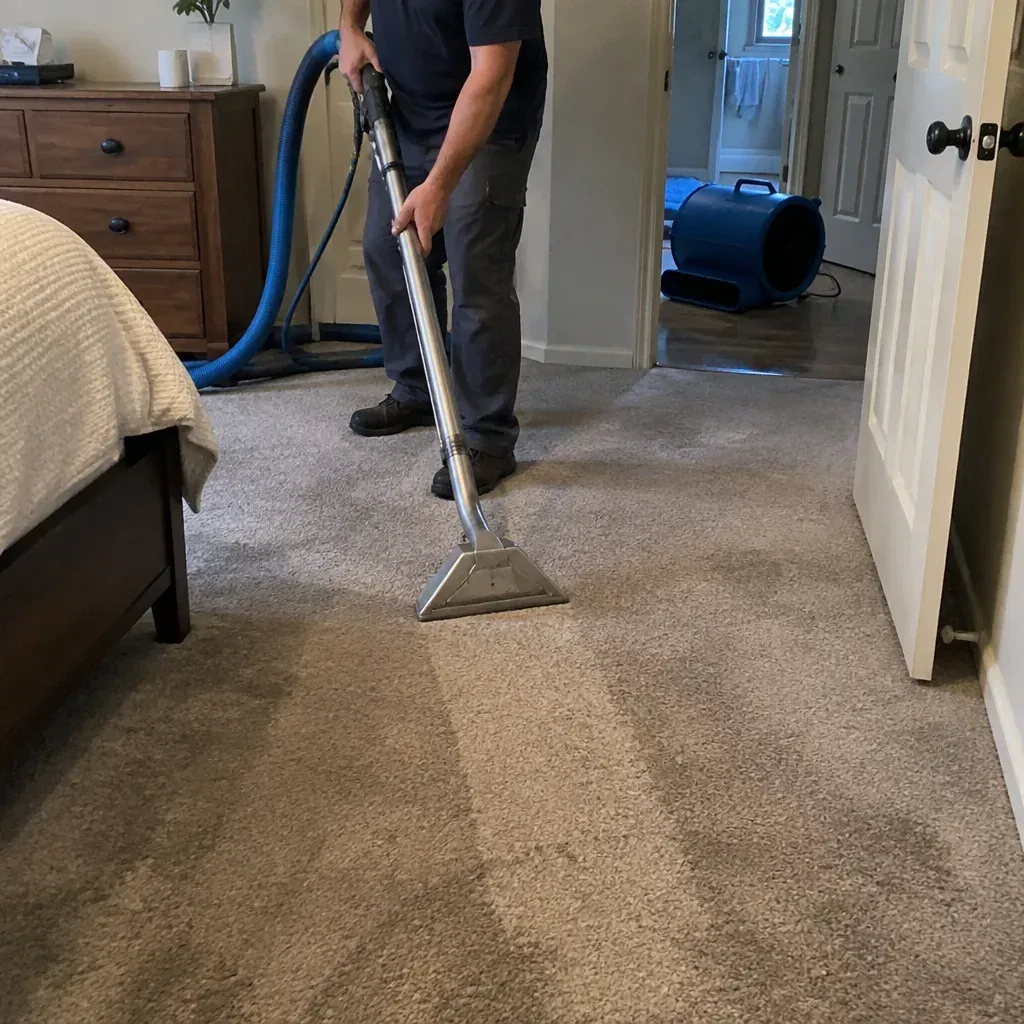
Keep records from other providers in a separate group from plumbing paperwork. An Elgin property may have documents for water removal, drying, or repairs to damaged finishes. Retain service descriptions, completed-work invoices, and receipts for those activities. Label each with the provider and the part of the property involved. If a concealed pipe required access, keep any written description that identifies the affected area. Separate records make it easier to see which documents describe the water line and which describe work to the building.
Save Insurer Messages and Requests
Save insurer emails, letters, portal messages, and attachments with the Elgin claim file. Note the claim reference on your index, along with the representative's name when available. For calls, write down when you spoke and the main points discussed. Keep your own submitted-document list so you can match copies to the insurer's requests. These records show what information was exchanged and when. Store replies alongside the message they answer, so the thread remains understandable if you review it later.
Keep each document request beside your reply and the material you sent. If the insurer's wording is unclear, ask which record it needs and how it should be provided. Save that clarification with the Elgin claim correspondence. Note when you sent a response and retain a copy of its attachments. A simple record of outstanding requests can help you avoid searching through unrelated household files. Follow the insurer's own instructions about submission and keep your saved copies available for reference.
Document Belongings and Mitigation
For belongings affected by water, keep a record that identifies each item and its condition. Photos, receipts, product details, or other ownership records may help describe what was affected. In an Elgin home, group these materials by room or item, and keep them apart from pipe invoices. If an item must be moved or discarded, retain the records you already have and note what happened. This creates a clearer account of household contents without mixing them into the plumbing work history.
Keep receipts and service notes for steps taken to limit further damage, when available. Records may include the provider, service performed, date, and area addressed. An Elgin claim file can hold these alongside documentation for drying or cleanup, while keeping them distinct from the plumber repair invoice. Save copies before paperwork gets separated among providers or household folders. Ask your insurer which mitigation records it wants. The file should make clear what action occurred and which part of the property it concerned.
Dealing with a burst pipe in your home?
Note where water appears, whether it keeps flowing, and which rooms you can reach safely. Check whether nearby walls, floors, or ceilings also show damp spots. Note whether the water is limited to one surface or visible across several. Ask whether they cover your address, what openings they have, how soon they might come, and whether a visit charge applies. Confirm those details with the pros before arranging service.