Sediment Can Affect Water Color
A rusty tint or cloudy look can appear when repair work moves fine sediment inside a water line. Material that had settled may travel with the water once service resumes. The color can be most noticeable at first, then fade as that material moves through. In Elgin, the appearance alone cannot identify where the sediment came from. It may be associated with work on your pipe, but the water’s color does not confirm a specific cause or prove the repair has failed.
Look at a sample in a clear glass against a light background. Note whether it looks hazy, yellowish, or brown, and whether particles are visible. These details describe what you see; they do not identify the material. An Elgin home near Gail Borden Library and one near Walton Island Park could show similar color for different reasons. Record the appearance soon after noticing it. That gives the repair provider or water supplier a useful description if the change continues.
Compare Hot, Cold, And Nearby Taps
At one faucet, compare the cold and hot sides. A tint limited to hot water points toward a different part of the plumbing than a change on both sides. If both look affected, note that too. This comparison does not establish the cause, but it helps narrow where a provider may need to look. In Elgin, jot down the faucet and temperature setting rather than relying on memory. Avoid drawing a conclusion from one brief look.
Next, check whether the same appearance shows at another fixture. A single affected tap may involve a smaller area of plumbing, while matching color at several taps is broader information to report. Note the rooms or floors and whether the taps use hot water, cold water, or both. Homes near the Elgin National Watch District may have different layouts and pipe arrangements; location alone does not explain the tint. The pattern helps describe the issue without guessing at its source.
Notice Whether Color Lasts Or Returns
Pay attention to whether the color fades, stays visible, or changes over time. A brief tint after work gives the provider different information from water that remains colored. Compare the color at another faucet to see whether it is limited to one outlet. Do not assume that duration identifies the cause. In Elgin, share the timing with the repair provider if the appearance persists. Follow their guidance about what to check next, since they know what work was done on the line.
A change that clears and then returns is useful to report, especially if the affected fixtures also change. Write down when it reappears and which taps show it. If several fixtures have matching discoloration, contact the repair provider or water supplier and describe that pattern. Elgin homes along the Fox River still need an assessment based on their own plumbing and water observations. A landmark or address does not establish the source of a color change.
Record What You See And Report It
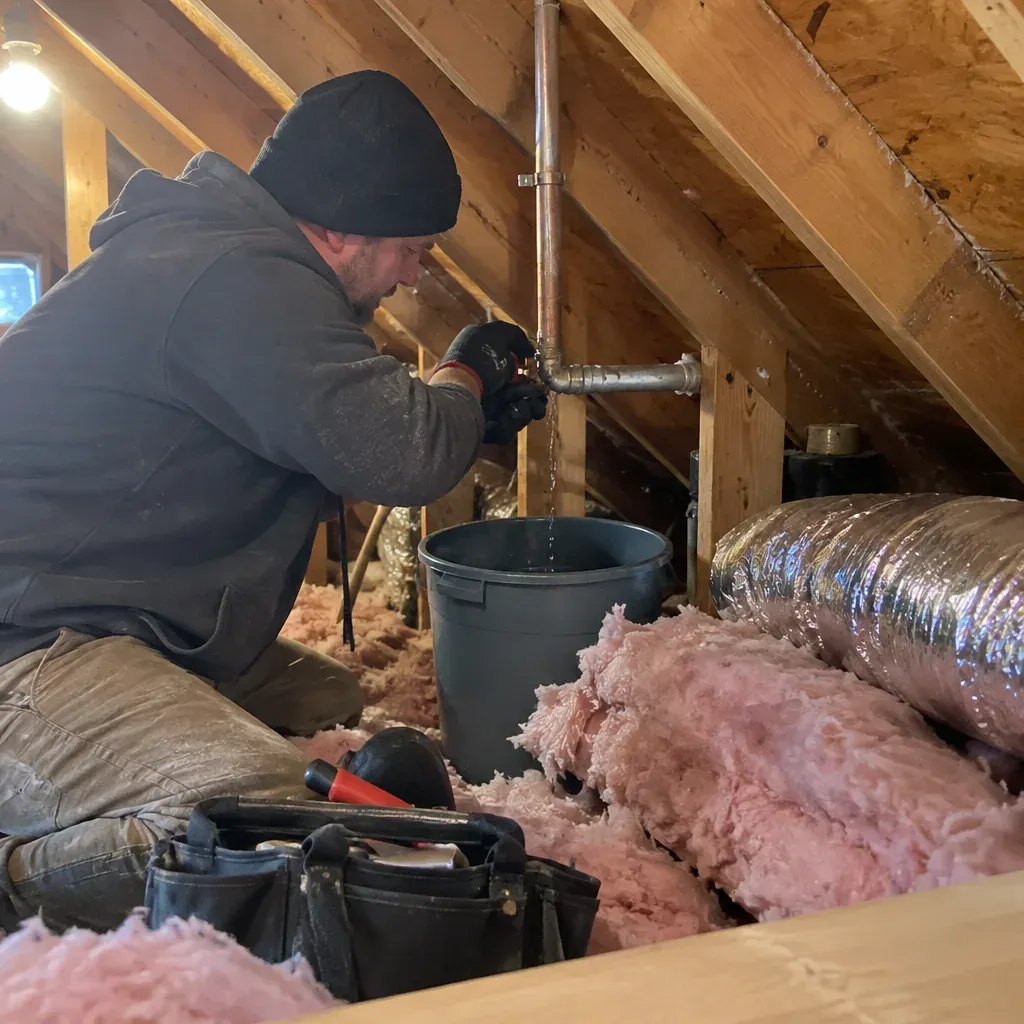
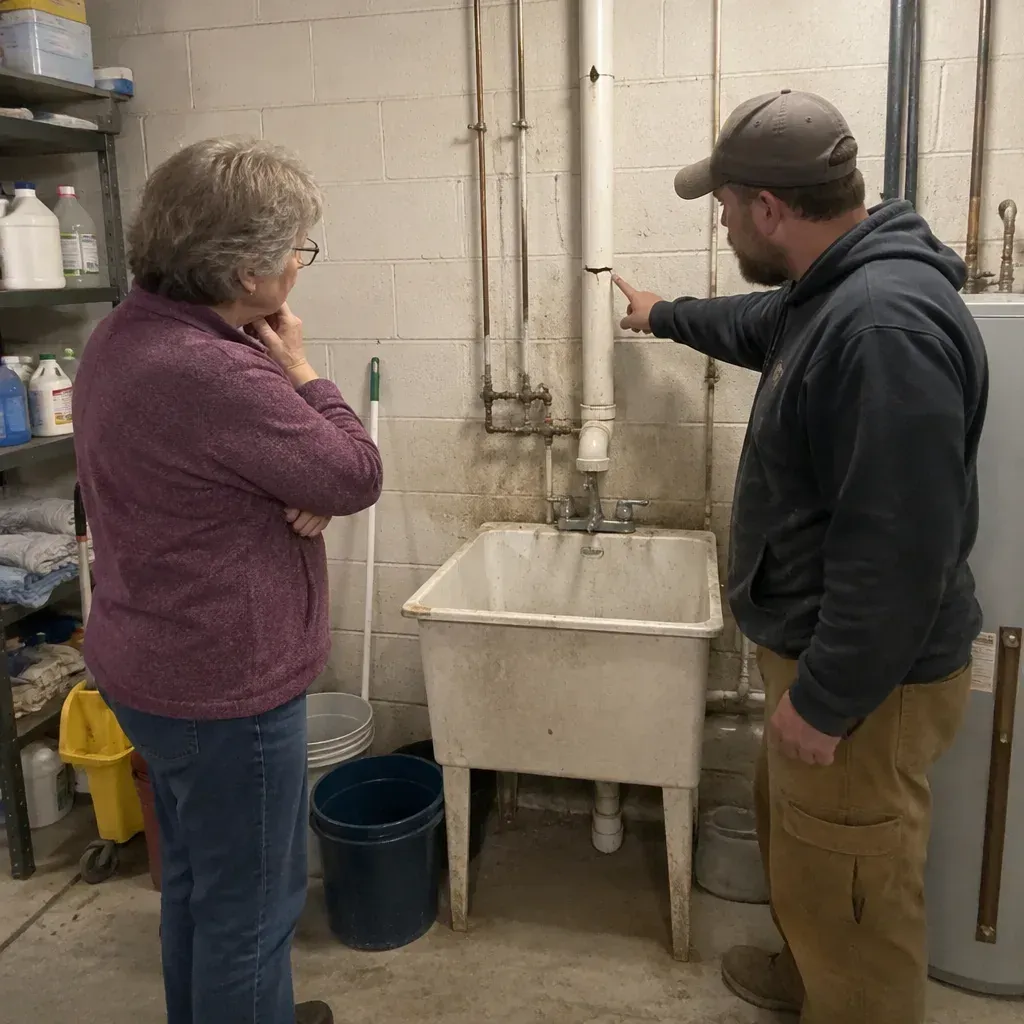
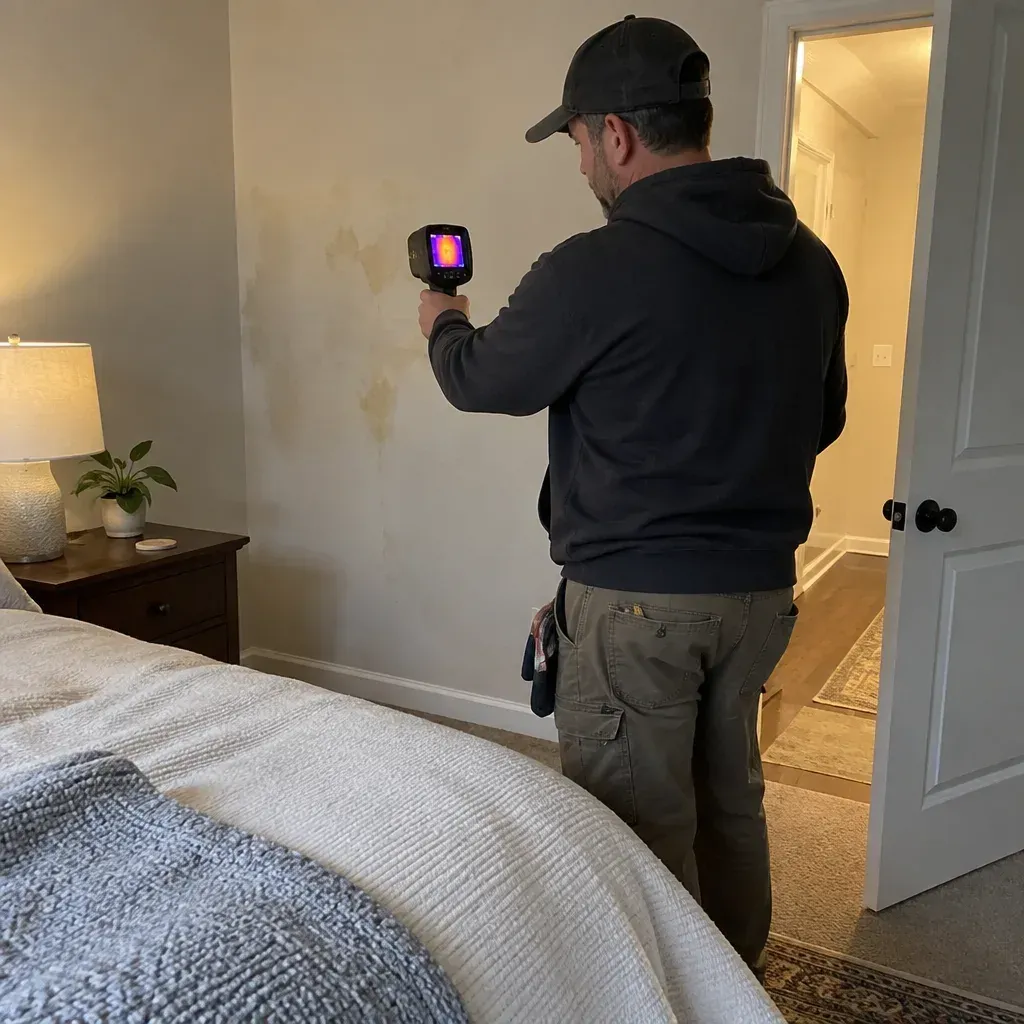
Look only at plumbing areas you can reach safely. Fresh dampness, dripping, or new staining near a pipe is separate information to share with the repair provider; color by itself does not show that a leak is present. Check nearby surfaces for dampness, even if the pipe itself looks dry. In Elgin, keep your notes to visible details: where you saw moisture, which faucet showed color, and when it happened. The provider can decide whether the repair needs another check.
When you call, give the property location and a short account of the appearance, affected taps, temperature, and timing. Say whether the discoloration faded, persisted, or returned. Contact the repair provider for guidance; if several taps are affected or the change continues, contact the water supplier as well. Mention whether you observed any dampness near accessible plumbing. These details help the people reviewing the issue choose a useful next step without relying on a guess about the cause.
Dealing with a burst pipe in your home?
Note where water appears, whether it keeps flowing, and which rooms you can reach safely. Check whether nearby walls, floors, or ceilings also show damp spots. Note whether the water is limited to one surface or visible across several. Ask whether they cover your address, what openings they have, how soon they might come, and whether a visit charge applies. Confirm those details with the pros before arranging service.