Inspect the Repaired Pipe
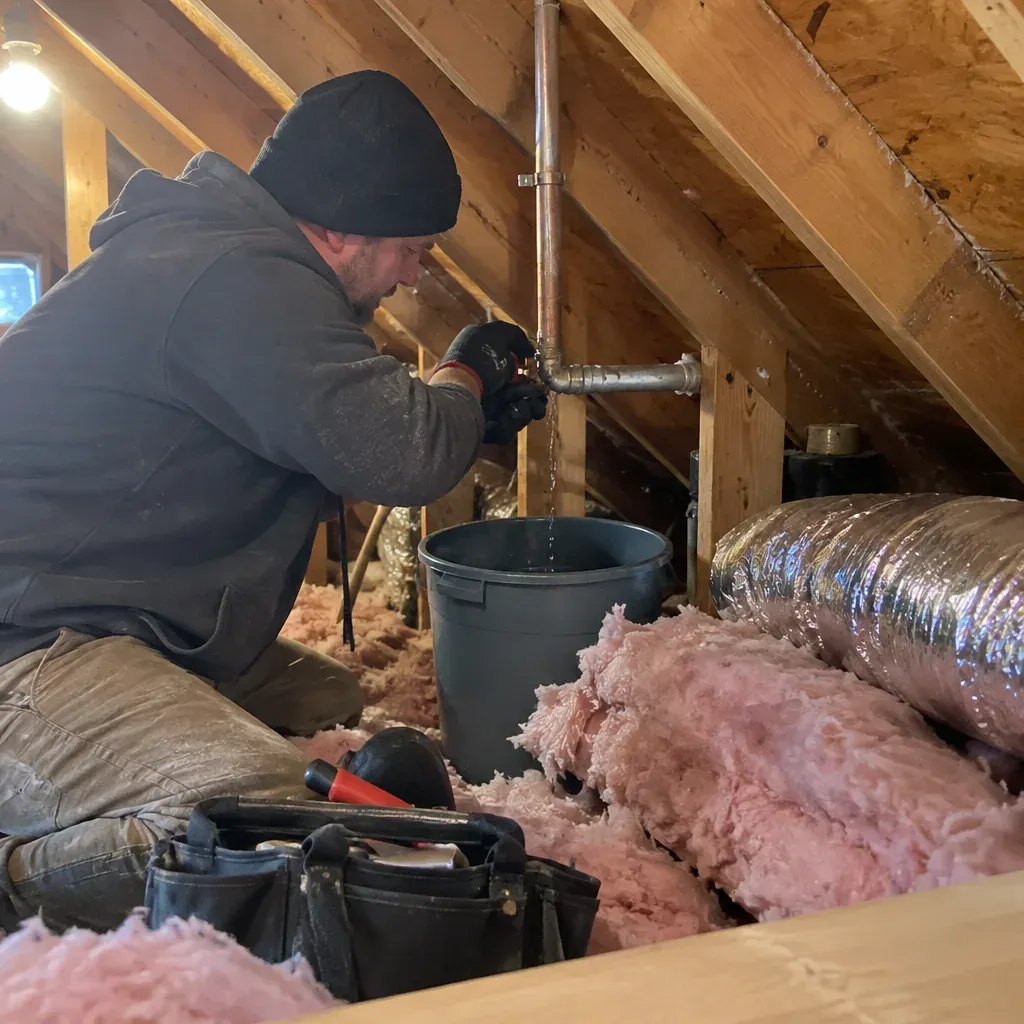
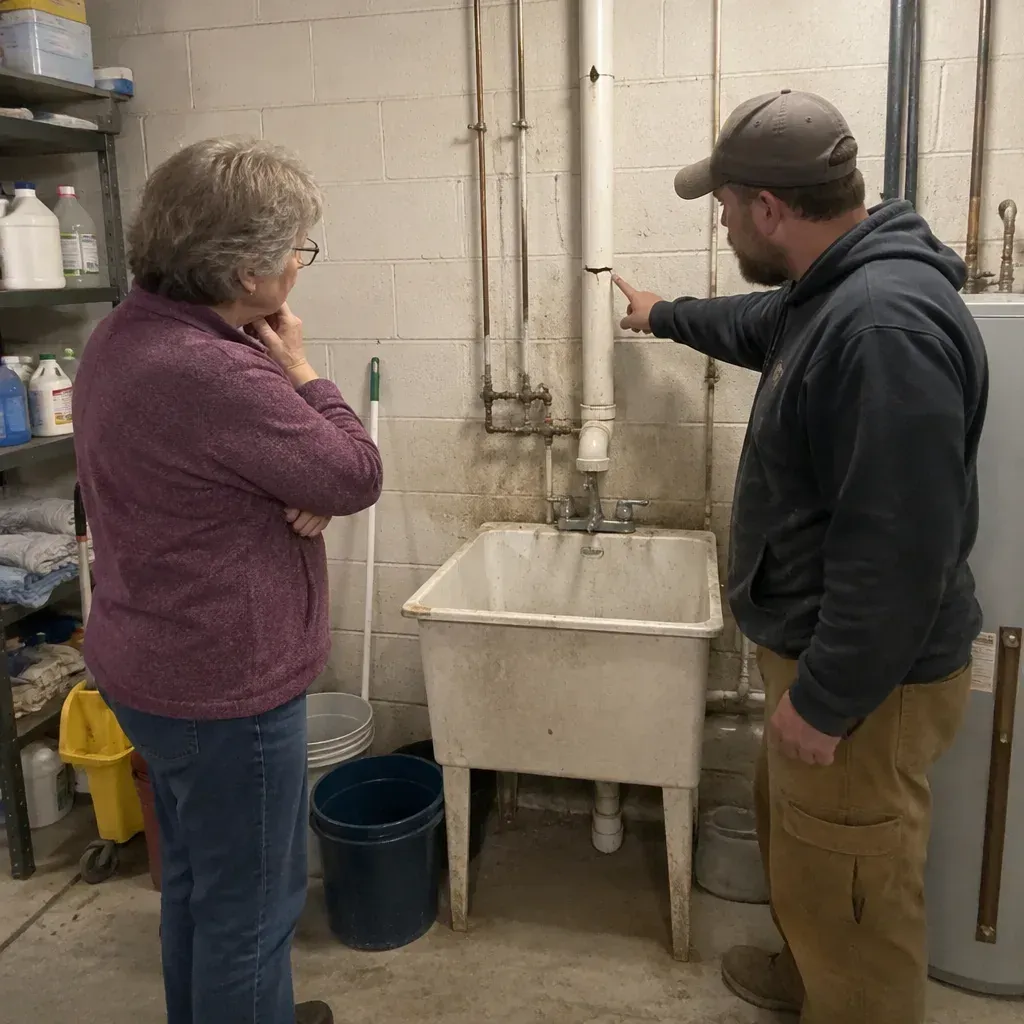
Begin by looking over the repaired pipe and its connections. The pros we connect you with can check for fresh droplets, a visible bead, or moisture forming where the repair meets the existing line. In Elgin homes near Gail Borden Library, the plumbing layout can differ from one property to another, so the visible repair is the starting point. A dry surface gives the plumber a clear baseline before water returns. This first look helps direct the later test toward the repaired area.
A mark on the pipe or nearby surface needs context. The plumber can wipe the repair dry, then watch whether moisture returns once the line is in use. An old stain alone does not show that water is escaping now; a new wet trace can point to an active leak. Around the Elgin National Watch District, as in any part of town, finishes may hide where water traveled. Ask the plumber to explain what they observed and how they distinguished old dampness from a new leak.
Test the Line Under Pressure
Next, water is brought back to the repaired line in a controlled way. The plumber can observe the joint as pressure returns and pause if moisture appears. This lets them check plumbing repair under ordinary supply conditions before considering the work finished. In Elgin, the exact setup depends on which section of the home’s water line was repaired. You can ask what the plumber watched during restoration and whether the repaired area stayed dry as the line returned to service.
A pressure test checks whether the repaired pipe holds while water pressure is present. The pros we connect you with can select a test method suited to the repair and the plumbing system. They look for signs of escaping water at the repaired section during the check. A pressure test repaired pipe assessment adds evidence beyond a dry surface before water returns. Ask what result they observed and whether the test covered the repaired portion of the line.
Check Nearby Joints and Fixtures
Once the repair itself appears sound, the plumber can look at accessible joints on the same line. A separate connection may be the source of moisture that shows up near the work, so each visible joint needs its own look. This matters in Elgin houses with different pipe routes and access points. If a connection is behind a finished surface, the plumber can tell you whether it was visible during the visit. The check should make clear which nearby points were included.
Water can then be run at fixtures supplied by the repaired line. The plumber may observe a faucet or an appliance connection while it operates, checking for fresh moisture at its supply fitting. A leak there would be separate evidence from the repaired pipe joint. If your home is near Walton Island Park, the fixture locations still depend on its own plumbing layout. Ask which connected fixtures were tested and whether any showed water at a fitting.
Know What to Watch Afterward
Keep the repair area accessible until you are confident the work is holding, so a new sign is easy to spot. Look for fresh dampness, a recurring drip, or a spot that grows after the area was dried. These signs do not identify the source by themselves, but they are useful to report promptly. In Elgin, a pipe may run out of sight, so note where moisture first appears rather than assuming it began at the repair. If water returns, contact the plumber who handled the work.
Ask whether any part of the pipe was replaced or only sealed, so you understand the scope of the repair. Then ask what changes to watch for after water service is restored and who to contact if moisture returns. A home near Route 31 follows the same practical steps as other Elgin homes, though its pipe layout may differ. Clear answers tell you what the plumber verified and what still needs attention if new signs appear.
Dealing with a burst pipe in your home?
Note where water appears, whether it keeps flowing, and which rooms you can reach safely. Check whether nearby walls, floors, or ceilings also show damp spots. Note whether the water is limited to one surface or visible across several. Ask whether they cover your address, what openings they have, how soon they might come, and whether a visit charge applies. Confirm those details with the pros before arranging service.