Office Burst Pipe Repair
Office Pipe Repair
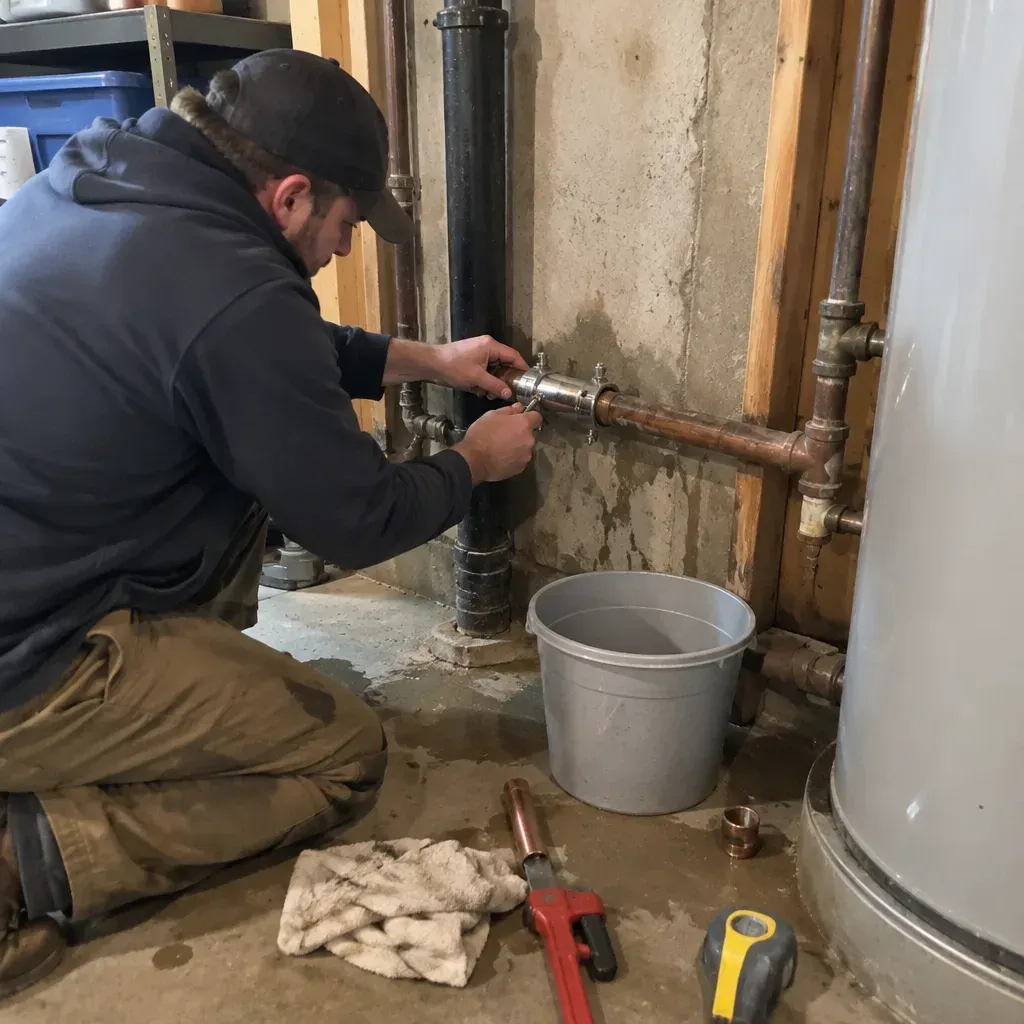
Coordinate hospital burst pipe repair around care needs, access rules, essential water use, and clear facilities records.
For hospital burst pipe repair in Elgin, facilities and clinical leaders identify affected rooms, access limits, and water-dependent work. The plumber locates the break, makes a compatible repair, and checks the line. Staff document operational decisions and any separate restoration work.
A burst pipe can disrupt patient care beyond the room where water first appears. In Elgin, plan the repair around the affected service, building access, and work that depends on water. Bring facilities staff and relevant operational leads together before defining the scope. They can identify which departments share the line and what activities cannot pause. Give the plumbing professional that picture, along with site entry requirements. This coordination helps shape a repair plan that addresses the damaged pipe while accounting for patients, staff, and essential operations.
Start by mapping the affected area to the services that use it. A leak in a support room may reach patient-care spaces or interrupt work elsewhere. Facilities staff can compare floor plans, plumbing records, and staff observations to mark those connections. In Elgin, add the facility’s actual address and entry point to internal directions. If a local reference helps staff find the site, use one that applies, such as Gail Borden Library. The plumbing professional needs building-specific information, not assumptions based on the city.
Next, identify who can approve access and explain operating constraints. A designated facilities contact can arrange escorts, restricted-area entry, and communication with clinical leadership. If the facility is near Walton Island Park, that landmark may help distinguish its location in internal directions. It does not replace the site address or access instructions. Tell the plumbing professional which areas require controls and who can answer questions about affected services. This gives repair planning a clear route through facility procedures without making patient-care decisions for clinical staff.
Use available plumbing drawings and valve labels to understand what the affected line serves. Ask staff to flag known differences between plans and current use. A branch may feed several rooms, so its apparent location alone does not define the impact. For an Elgin facility, record which records were reviewed and who confirmed the service connections. Share those findings with the plumbing professional before discussing isolation. The scope can then reflect the line’s users and the operational consequences of interrupting its supply.
Clinical and operational leaders can rank the activities that depend on the affected water service. They can identify work that must continue, spaces that might be temporarily reassigned, and functions that need coordination before interruption. Facilities staff can relay those decisions to the plumbing professional. Keep patient-care judgments with the appropriate clinical leaders. In Elgin, this shared view helps define a repair scope around actual facility priorities rather than a general assumption about which rooms matter most.
| Facility zone | Water service | Entry protocol |
|---|---|---|
| Patient services | Care areas supplied by the affected line | Clinical leads identify services needing uninterrupted water |
| Facility functions | Laundry, kitchens, labs, and sanitation rooms | Department contacts describe tasks affected by isolation |
| Water priorities | Handwashing stations and connected equipment | Operations staff rank essential water uses |
| Line boundary | Fixtures and departments linked to the pipe | Facilities staff share available piping plans |
| Access rules | Controlled doors, escorts, and approved pathways | Site contact sets entry and movement conditions |
| Service timing | Tasks that can shift or pause safely | Care and facilities leads select a workable window |
| Work record | Pipe material, connection, findings, and checks | Log repair limits and restored services |
| Site directions | Elgin facility address and receiving entrance | Label Dunham Castle and Wayne as map references only |
A wet ceiling tile, wall, or floor may sit away from the pipe break. Water can travel through a building before becoming visible, so the first damp area may not reveal the damaged section. The line may be exposed or hidden behind a surface. Facilities staff can share prior leak reports and building plans to help narrow the search. In Elgin, include affected rooms and adjacent spaces in the scope discussion. The plumbing professional can then assess what access is needed to locate the break.
Consider the line’s service connections before choosing when water isolation can occur. Facilities staff and operational leads can identify periods when dependent work has fewer constraints. They should also account for nearby occupancy and any planned movement of work between rooms. The schedule depends on the facility’s needs and the line’s reach. For an Elgin site, record the decision makers and affected services so the plumbing professional understands the agreed operating window. This planning does not set a fixed interruption length.
Set the site’s entry expectations before repair work is arranged. Tell the plumbing professional which entrances to use, where an escort is needed, and which areas have restricted access. If an internal direction benefits from a landmark, Elgin references such as the Elgin National Watch District may help staff identify the general area. Confirm the actual facility address and access route separately. A named facilities contact can relay changes and connect the plumbing professional with clinical leadership when decisions affect occupied spaces.
Keep a dated record of the affected service, rooms reviewed, and staff consulted. Note which drawings, valve labels, or prior reports informed the scope. Record access limits and the operational decisions that shaped isolation planning. In Elgin, keep the facility address and relevant internal location names together, so later reviewers can identify the work area. This record gives facilities and clinical leaders a shared account of what was considered. It also helps distinguish confirmed details from information that still needs checking.
The repair method depends on the pipe’s material, size, connections, and condition around the break. The plumbing professional can determine whether a compatible fitting or replacement section suits the existing line. Concealed damage may require access to the affected area before that choice is clear. Medical facility plumbing can involve lines serving more than one function, so document the scope and any limits on access. The pros we connect you with can explain the proposed repair in terms of the pipe and its service.
Choose a communication route for updates before work affects occupied areas. Facilities staff can explain which spaces and services are involved. Clinical leadership should direct messages about patient-care operations. Give staff a way to learn about changed access or service availability through the facility’s usual channels. In Elgin, note who is responsible for each update in the repair record. That keeps operational information with the people who can interpret it and avoids treating a plumbing notice as clinical guidance.
Before the affected area returns to routine use, confirm what the repair covered and what checks were completed. The plumbing professional should inspect the repaired section for leaks and confirm water flow after restoration. Facilities staff can compare those details with the original scope and note any open work. Keep water extraction, drying, and rebuilding in a separate scope if needed; pipe repair does not include those services. This closeout record helps Elgin facility leaders make an informed decision about the work area.
The cost of emergency burst pipe repair at a healthcare facility depends on the repair scope. A reachable line with a clear break may require different work from damage behind a finished surface. Pipe material, connection type, compatible parts, and access controls can also affect labor and materials. Operational requirements may shape how the work is coordinated. For an Elgin facility, share the affected locations and known service connections when discussing an estimate. No reliable figure can be set without those details and an assessment of the pipe.
For an estimate, bring facilities staff and relevant operational leads into one scope discussion with the plumbing professional. Share the affected-area map, available plumbing records, entry requirements, and activities that depend on the line. Ask which repair details remain uncertain until the damaged section is accessible. Also clarify what the proposed scope covers, including pipe checks and water restoration, and what falls outside it. This gives Elgin facility decision makers a practical basis for comparing the repair plan with documented operational needs.
In Elgin, hospital burst pipe repair starts with a shared picture of the affected branch and nearby functions. Facilities staff can match room identifiers to service drawings, while clinical leaders flag patient-care constraints. Operational leads then identify support work, equipment, and scheduled activities that depend on that water supply. Those boundaries help the plumber plan access and consider isolation without overlooking connected departments. For a campus with several entrances, Riverfront Park, Cornish Park, or Village Green may help clarify an approach when relevant. After locating the break, the plumber selects a compatible repair and checks the line before staff document the handoff.
Water escaping from a burst pipe can damage walls and floors, so prompt repairs help limit further damage while the licensed pros we connect you with find the break.Streamwood, Elgin and South Elgin. Before choosing a time, ask whether the initial assessment charge includes travel and what it covers if the plumber finds a break.
Commercial sites may be quoted for each visit, with the estimate reflecting pipe capacity and how often service is needed. Water from a burst can affect materials beyond the pipe section that needs repair. A concealed route or crowded work area can require more tracing before the repair scope is clear.For a business near Arcada Theatre in Elgin, pipe diameter and connection style help determine compatible fittings and shape the estimate. When calling, tell the pros we connect you with the pipe material and size, if known. Confirm the visit charge and repair scope directly with them.See which job details affect cost in pricing guide; commercial overview follows the commercial assessment from inspection toward a repair plan.
Office Pipe Repair
Elgin Hospitality Plumbing
Kitchen Pipe Repair
Facilities staff can set the building access plan, while clinical leaders identify care areas that need special handling. Operational leads add support functions affected by the same supply. Give the plumbing professional one current contact and clear room boundaries. In Elgin, internal building and room labels can help keep updates tied to the correct work area.
Have each operational lead identify tasks that rely on the affected water branch. Clinical leadership can weigh patient-care needs, and facilities staff can confirm which areas the branch serves. Together, decide what needs an alternate arrangement before the plumber isolates the line. The repair plan should reflect those operating limits and the facility’s access rules.
Keep the building and room identifiers, affected branch, access approvals, and the teams consulted. Record whether the plumber repaired or replaced pipe or fittings, plus the leak-check result and water-flow status. Note any open restoration work separately. For an Elgin campus, use a site-specific entrance reference only when it helps staff identify the correct location.
The plumbing work locates the failed section, makes a repair suited to the existing line, and checks the result. Facilities can record when the affected service is available for use under the facility’s own procedures. Water removal, drying, and rebuilding damaged finishes may fall outside the plumbing repair and need separate coordination.
Bring facilities, clinical, and operations leads together to mark affected rooms, entry rules, and water-dependent work for the plumbing professional.
Call (847) 908-9187