Office Burst Pipe Repair
Office Pipe Repair
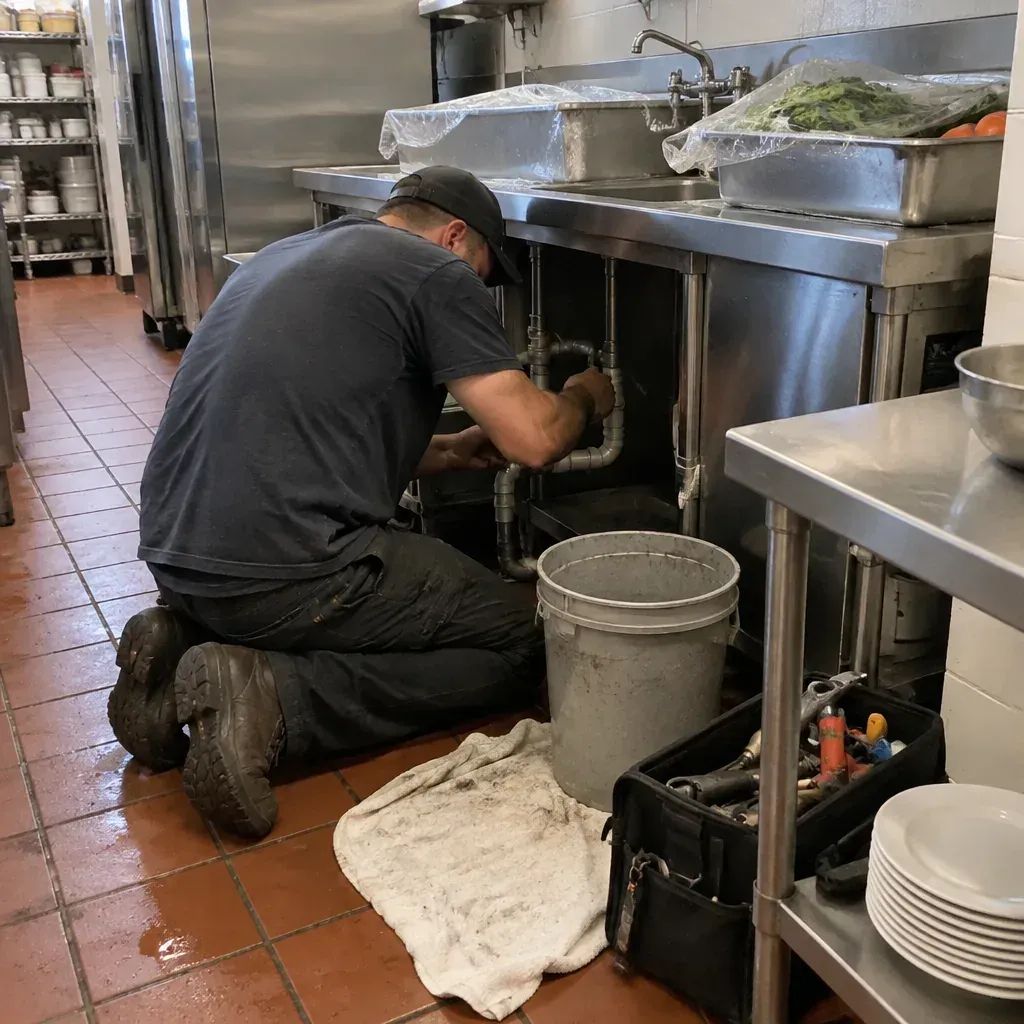
Plan Elgin restaurant pipe repair around kitchen access, careful water isolation, and clear records of affected service.
A plumber traces the failed supply, coordinates access, and isolates water where safe. They repair or replace the damaged section with parts suited to the line, then check for leaks and confirm flow. The site lead can plan affected kitchen tasks around the isolation.
A restaurant burst pipe is a split in a pressurized line that releases water inside the building. In Elgin, the immediate concern is how that leak affects kitchen and dining work. A wet floor, sudden spray, or failed sink can force staff to change stations or pause service. First, identify the affected areas and keep people clear of hazards. Then coordinate access, water isolation, and repair decisions around the fixtures operations depend on.
Tell the plumbing pro what staff observed and which tasks stopped. Note whether hand sinks, prep sinks, dishwashing equipment, or restrooms lost water. Describe any spray, unusual sound, damp ceiling, or pooling without guessing where the break sits. In Elgin, a clear account helps the pros we connect you with focus their inspection. It also helps you identify which stations can keep operating safely while the affected supply is assessed.
Give the pros we connect you with a practical arrival route and a contact who can open the right areas. Explain door, loading, kitchen, and storage restrictions before tools enter the building. If staff use local references when giving directions, Elgin landmarks such as Gail Borden Library or Walton Island Park can help identify the general area. Confirm where the plumber can stage equipment without blocking customer paths or food handling.
Agree on a path from the entrance to the affected pipe before repair work starts. A route through active prep or dining can add disruption and bring tools near food or guests. Show the plumber service corridors, locked rooms, ceiling access, or other barriers. In Elgin, note any operating limits tied to deliveries or scheduled service. A defined route lets staff manage customer movement while keeping the work area accessible.
Ask which valve or branch supplies the damaged line and what else depends on it. Closing a larger supply can interrupt sinks or equipment far from the leak. The manager and plumber can identify essential fixtures and decide whether a safe, narrower isolation is possible. Never enter a wet area with electrical hazards or operate a valve that is unsafe to reach. This plan helps staff understand which work must pause.
| Area | What You See | Next Check |
|---|---|---|
| Location reference | Elgin; caller-provided landmark | Use Gail Borden Library as an orientation reference |
| Affected operations | Prep, dishwashing, handwashing, dining | Identify which functions rely on the affected line |
| Water control | Branch valve or main supply | Agree which kitchen and dining fixtures lose water |
| Entry plan | Route to the pipe and work area | Use Walton Island Park as a caller orientation reference |
| Area protections | Food, utensils, equipment, guest paths | Clear or shield items before opening the work area |
| Pipe findings | Break location, material, size, connection | Match repair parts to the installed commercial kitchen plumbing |
| Repair record | Work completed and supporting photos | Note the repair method and affected supply section |
| Service check | Leak check and water flow | Record which kitchen and dining functions resumed |
Set a clear boundary around the repair location before the plumber begins. Keep customers, ingredients, clean utensils, and equipment away from tools and leaking water. Staff can redirect foot traffic and pause nearby preparation while the boundary is active. In Elgin, a restaurant near Route 31 may have customer movement to manage at its own entrance; use the site’s actual layout to choose a safe alternate path.
A damp ceiling or wall may be some distance from the failed line. Water can travel along framing or pipe surfaces before it becomes visible. Tell the plumber where moisture first appeared, then show each affected surface separately. Photos can help connect those observations with the exposed pipe once found. In Elgin, this distinction helps keep the plumbing assessment focused while you track which rooms or work areas remain affected.
Protect food and service items using the restaurant’s handling procedures. Move them only when staff can take a dry, unobstructed route away from the work zone. Keep clean items apart from anything exposed to water or repair debris. If an appliance cannot be moved safely, ask the plumber where the work boundary should sit. This preparation limits contact between repair activity and the surfaces used for food service.
Once the break is accessible, the plumber examines the pipe and the nearby connection. Material, diameter, fitting style, and visible condition guide which repair parts will work with that line. Copper, PEX, and other systems use different compatible components. In Elgin, the observed pipe—not the building’s age or location—should guide the repair choice. Concealed damage may require opening an area before the full scope becomes clear.
Ask the plumber to explain whether the damaged portion can be repaired in place or should be replaced. A clamp may reduce leakage on some exposed lines, but it does not establish that the pipe is ready for service. The recommendation should account for the break, access, and surrounding pipe condition. In Elgin, have the chosen method and materials recorded so the restaurant can distinguish a temporary measure from completed plumbing work.
Before water returns, identify which kitchen tasks and fixtures need service first. The plumber may need the supply closed while cutting or joining pipe. You can use that pause to direct staff toward unaffected stations or adjust current service. Tell the pros we connect you with which fixtures support handwashing, preparation, and dish handling. A shared sequence helps limit disruption without asking staff to use unavailable equipment.
When the repair is complete, the plumber can bring the line back into service and inspect the connection under pressure. Keep the area open so any seepage is visible during the check. Then confirm that the affected fixtures deliver water and that nearby work areas remain dry. In Elgin, note when service resumes and which stations were checked. Staff can use that information to decide when normal kitchen tasks may restart.
The plumbing repair covers the damaged water line and the check of that repair. Removing standing water, drying materials, and rebuilding walls or ceilings may call for separate providers. Ask what the plumbing visit includes before treating the work area as ready for food service. In Elgin, keeping these responsibilities clear helps the manager coordinate building recovery while tracking which kitchen or dining areas remain unavailable.
Keep a site record of what staff saw, which fixtures lost service, and where the plumber accessed the line. Add the repair description, materials used, inspection result, and times water service stopped and resumed. In Elgin, this record can help facilities staff explain operational changes and plan follow-up with the right provider. Discuss the affected area, operating constraints, and access plan with an independent local plumbing pro before work begins.
In Elgin, the repair record should show which service points lost water and when they returned to use. That detail helps a manager compare the plumber’s work with kitchen logs and staff reports afterward. Note any station moved to another supply, equipment taken offline, and who approved reopening the affected area. Note whether the leak came from a joint, valve, or fixture, since that can clarify what the repair addressed. Keep pipe repair separate from cleanup and finish work handled by other providers.
The linked places map the county coverage associated with Burst Pipe Repair; share your address with the pros we connect you with to check service reach, includingGilberts, Carpentersville and Wayne. Before choosing a time, ask whether the initial assessment charge includes travel and what it covers if the plumber finds a break.
For a shop or warehouse, each service visit is one part of the estimate; a larger line or repeat disruptions can change the job. $350–$1,300 supplies a planning benchmark. Access, pipe type, and the damaged area also shape the work.For a business near Arcada Theatre in Elgin, pipe diameter and connection style help determine compatible fittings and shape the estimate. When calling, tell the pros we connect you with the pipe material and size, if known. Confirm the visit charge and repair scope directly with them.See which job details affect cost in pricing guide; commercial overview follows the commercial assessment from inspection toward a repair plan.
Office Pipe Repair
Elgin Hospitality Plumbing
Multifamily Pipe Repair
Continued service depends on which fixtures share the failed supply. The plumber can identify affected stations and determine whether an unaffected branch still serves other areas. Confirm which tasks can continue with the site lead, then keep staff and customers out of the repair zone. Resume affected work after water service is restored and the repaired line has been checked.
Give the pros we connect you with the exact entrance, room, and route to the suspected leak. Identify locked spaces and the person who can open them. Mention delivery paths, active food preparation, and customer areas that need to stay clear. For an Elgin site, a nearby reference such as Route 31 can help clarify the location; provide the actual service entrance too.
Record the affected supply, fixtures that lost water, and the time service was interrupted and restored. Add the plumber’s findings about the failed pipe and whether the damaged section or a fitting was changed. Note any access opening and who approved it. Photos and the date of the repair can help facilities staff understand the work during later maintenance.
The plumbing work covers locating and correcting the failed supply, then checking the connection and water flow. Ask the plumber to note affected fixtures and any opening made to reach the pipe. Water removal, drying, and repairs to finishes are separate services. Coordinate those tasks with the site lead before the affected space returns to use.
Discuss the affected kitchen area, water isolation limits, and entry route with the pros we connect you with for an Elgin restaurant.
Call (847) 908-9187