Office Burst Pipe Repair
Office Pipe Repair
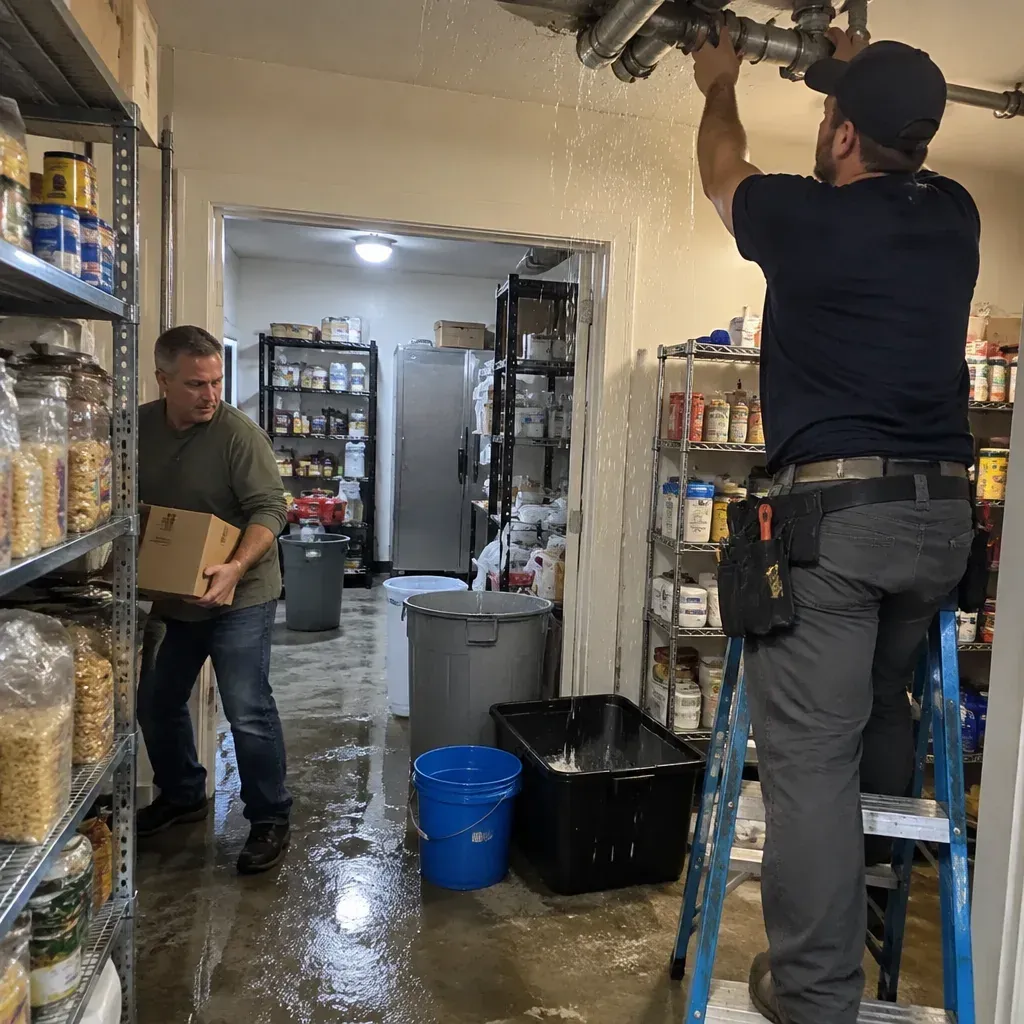
Plan Elgin industrial burst pipe repair around production needs, safe access, and a staged return to water service.
A plumber locates the break, isolates water when safe, and repairs or replaces the damaged section with compatible parts. The facility maps affected systems and access needs, then operations coordinates service restoration by zone after the repair is checked.
Industrial burst pipe repair means restoring a pressurized water line after it splits or ruptures inside a working facility. The visible leak may not show which production or support areas depend on that line. In Elgin, start by identifying affected zones, then review isolation options, safe access, repair scope, and service restoration with the pros we connect you with. These checks help operations and maintenance coordinate around the line’s dependencies. A site map and clear records give the plumbing professional a useful basis for planning.
On the facility plan, mark where water is appearing and which production bays or support rooms show effects. Then trace the supply route and note the areas each branch serves. A leak can appear away from its source, so the wet spot alone may not identify the failed section. In Elgin, a map can also label the site’s location by a known public reference, such as Gail Borden Library. Give that information as orientation only; it does not establish where a pipe runs.
Staff observations can help narrow the search before access is planned. Record when the leak became noticeable, whether it is a spray or steady flow, and which equipment or work areas show changes. Note sounds, visible moisture, and any interruption to water-dependent functions. At an Elgin site, keep those details with the facility contact information and a marked plan. This record helps the plumbing professional distinguish observed effects from assumptions about the pipe’s route or the cause of its failure.
Before work is planned, identify who can authorize entry to the affected zones and who can accompany the plumbing professional. List operating hours, restricted rooms, required protective gear, and routes through the site. Tell operations and maintenance about any access limits that could affect inspection or repair. Elgin facilities can include varied industrial settings, so instructions should match the actual building. Clear entry arrangements help keep the work area accessible while respecting the site’s normal controls.
Next, identify what depends on the suspected water branch. Production equipment, washdown points, sanitation functions, and staff facilities may draw from different sections of the system. Ask maintenance which processes can pause and which need an alternate arrangement before isolation. In Elgin, the facility team should confirm these dependencies from its own system records and staff knowledge. That review helps define a practical isolation boundary without assuming that every connected function can stop together.
| Facility area | Water reliance | Repair notes |
|---|---|---|
| Facility zone | Production line or process feed | Staff rooms and utility spaces |
| Isolation point | Valve serving the affected branch | Shared header feeding other zones |
| Process dependency | Cooling, washdown, or equipment supply | Restrooms and staff wash stations |
| Access coordination | Operator release for machine area | Maintenance access to valve room |
| Work clearance | Room around pipe and fittings | Open path for site staff |
| Repair materials | Existing pipe type and dimensions | Matching joints for the line |
| Restart checks | Production lead confirms usable flow | Facilities checks support fixtures |
| Repair record | Affected section, parts, and restored zones | Map cues, such as Wayne or Pottawatomie Park |
Where the failed section sits shapes the access plan. An exposed line may be reachable from a service area, while a concealed run can require access through a wall, ceiling, or floor. The plumbing professional needs to locate the break and assess the surrounding condition before settling on a repair. For an Elgin warehouse pipe repair, share aisle restrictions, storage locations, and equipment that limit approach. This information helps plan access around the facility’s layout.
Once the damaged section is located, its pipe type, dimensions, and connection style guide the replacement materials and joining method. The plumbing professional can determine whether to replace the failed length or use another compatible repair. The fitting must suit the installed system and be secured using its specified method. At an Elgin facility, available pipe records may help identify the line, but they do not replace checking the exposed section and its condition.
A site contact can make the work area easier to reach by identifying gates, receiving points, escort rules, and routes clear of active operations. Point out overhead work, stored materials, and equipment that should not be moved without approval. If the facility uses separate access arrangements for production and maintenance, share both with the plumbing professional. For Elgin site directions, a verified reference such as the Elgin National Watch District can help distinguish the general area; provide the full facility address as well.
After the plumbing work, the repaired line should be checked with water restored so any leak at the connection can be found. The facility contact can compare flow at relevant outlets with expected operation and report anything unusual. At an Elgin site, agree which branch can return to service first based on its isolation boundaries. This check gives maintenance a clear point to observe before water-dependent equipment resumes normal use.
When the pipe layout allows, bring connected areas back in a planned order. Operations staff can confirm each area’s outlets and equipment are receiving water as expected before the next branch is opened. Pause the restart if flow changes or equipment behaves unexpectedly, then report the finding to the plumbing professional. An Elgin facility can use its area map to record what has resumed and what remains isolated. The order should follow actual process dependencies, not a general template.
Keep a facility record of the affected branch, repair location, materials used, and isolation points applied. Add the time service returned to each area and note any operational checks completed by staff. For an Elgin site, identify the relevant building or work zone clearly so later maintenance can find the record. If the facility draws on historic industrial context, the Elgin National Watch District is a local reference; it does not identify the site’s pipe system.
The plumbing scope concerns the damaged supply line and checking the repair. Standing water, moisture in building materials, drying, or rebuilding may need separate providers. Keep those tasks distinct in the facility’s work record so operations can track who handles each part. An Elgin property should assess affected spaces after the line is addressed and arrange any needed cleanup separately. This distinction clarifies what the plumbing professional completed and what remains for building recovery.
Do not assume freezing, age, or a particular material caused the break before the line is examined. The facility’s records may describe its system, but the damaged section provides the evidence needed to assess the failure. Elgin’s industrial history includes the Elgin National Watch District, but local context does not establish the cause at a specific site. Record what staff observed and leave cause, extent, and repair method for inspection. This keeps the planning record useful without turning a guess into a finding.
When you contact the pros we connect you with, have the facility address, a site contact, and an operations or maintenance contact ready. Share the affected zones, known isolation points, access rules, and any pipe records you can locate. If useful for orientation, mention a verified public reference such as Cornish Park, while keeping the facility address primary. Which production and support functions depend on the branch? What access or isolation details still need confirmation before service can be restored?
An Elgin facility needs a repair plan that follows how water serves the site. First, mark which production and support zones rely on the affected branch. Then compare isolation points with process dependencies and safe access needs. This helps operations and maintenance set a workable boundary before service changes. Use the facility’s address on its site map. Add Memorial Park, Dunham Castle, or Gilberts to notes only when one accurately identifies the site. Record the repair scope, then return each zone to service after its checks.
Use these community links to view the county reach listed for Burst Pipe Repair, then ask the pros we connect you with whether they serve your address, includingDundee area, Gilberts and Carpentersville. Before choosing a time, ask whether the initial assessment charge includes travel and what it covers if the plumber finds a break.
For a commercial office, the pros we connect you with may price each service visit after tracing the break. The visible break may not show how much of the line needs attention. A broad supply line, awkward access, or recurring callouts can change the work included in an estimate.For a business near Arcada Theatre in Elgin, pipe diameter and connection style help determine compatible fittings and shape the estimate. When calling, tell the pros we connect you with the pipe material and size, if known. Confirm the visit charge and repair scope directly with them.See which job details affect cost in pricing guide; commercial overview follows the commercial assessment from inspection toward a repair plan.
Office Pipe Repair
Elgin Hospitality Plumbing
Kitchen Pipe Repair
Share a site map that shows the affected branch, access routes, and nearby isolation points. Ask process owners to identify equipment and support functions that depend on that water. Maintenance can flag restricted areas or conditions that affect entry. Together, these details help the plumbing professional understand the work boundary and coordinate access without assuming every connected function can stop at once.
Compare each candidate valve with the site piping map and ask which zones would lose water when it closes. Check for shared branches serving production, wash areas, or staff support spaces. Operations can identify dependencies the drawing may not show. Select a boundary that isolates the damaged line while keeping unrelated areas supplied, when the system layout allows it.
Gather the current piping map, valve labels, past repair notes, and any available details about pipe material and connections. Add the facility address, internal building or zone identifiers, and the responsible operations contact. These records help clarify where the work applies and which teams need status updates. Include a verified landmark such as Memorial Park only if it helps identify the actual site.
The plumber locates the break and assesses the damaged pipe, nearby connections, and access. Water is isolated when it is safe to do so. The licensed pros we connect you with check whether moisture around the break has spread beyond the pipe. The plumber checks the completed work for leaks and flow before facilities staff coordinate the return of dependent areas.
Share the affected zones, possible isolation points, and access limits with the pros we connect you with for Elgin facility repair planning.
Call (847) 908-9187